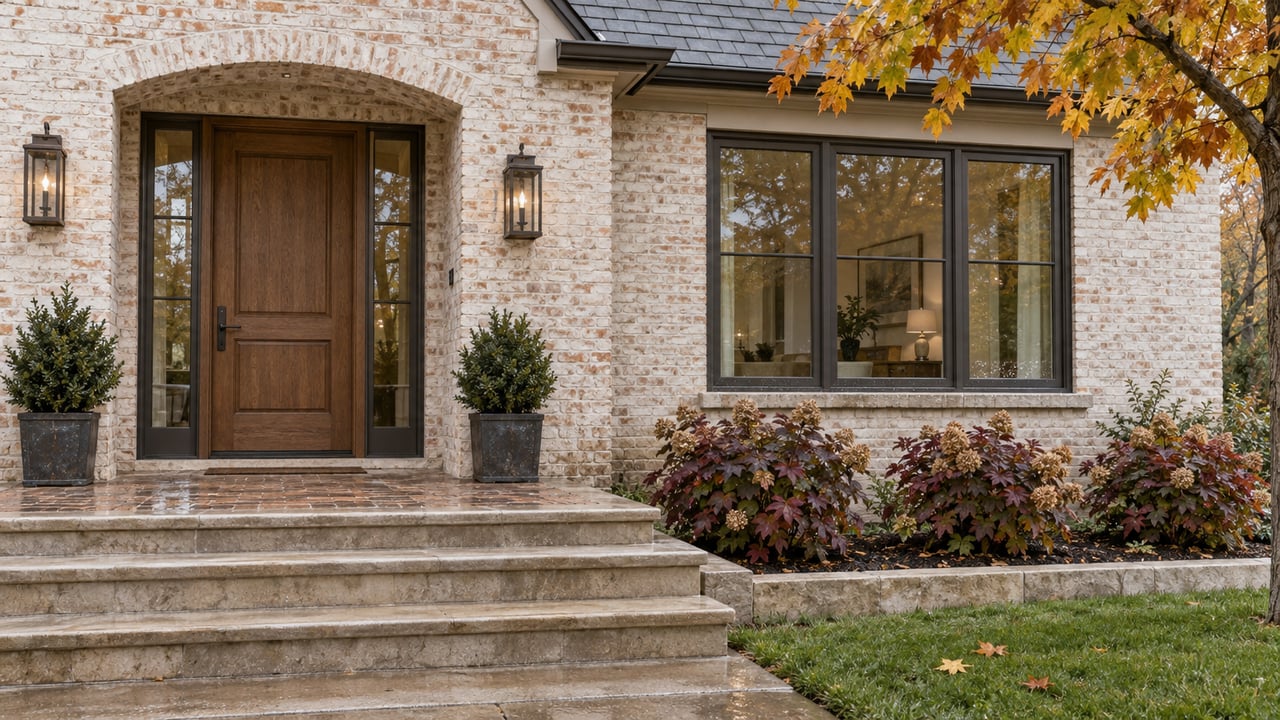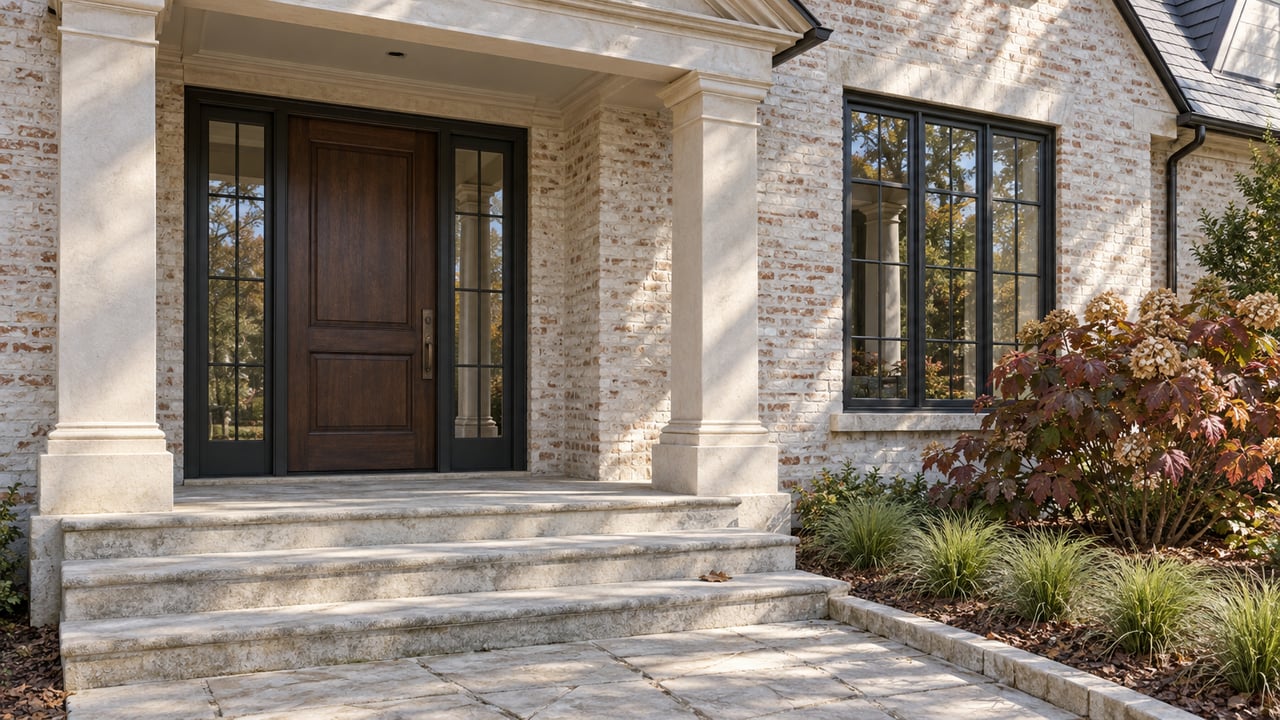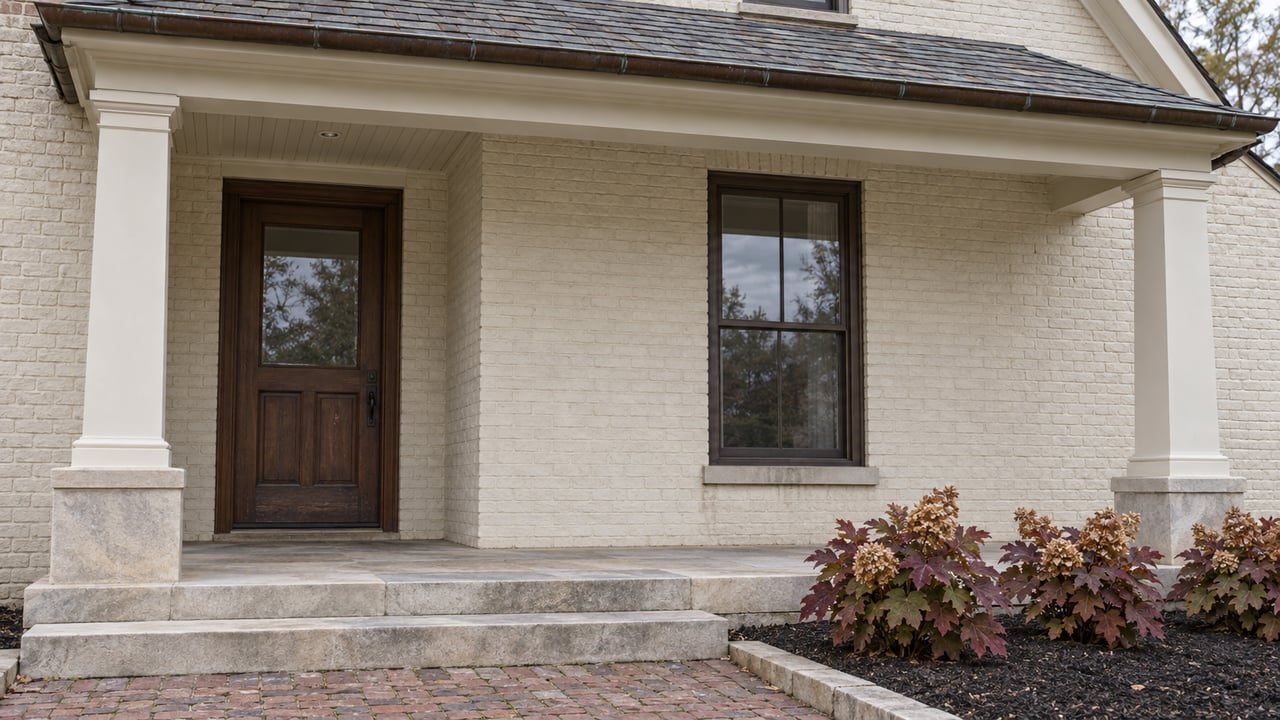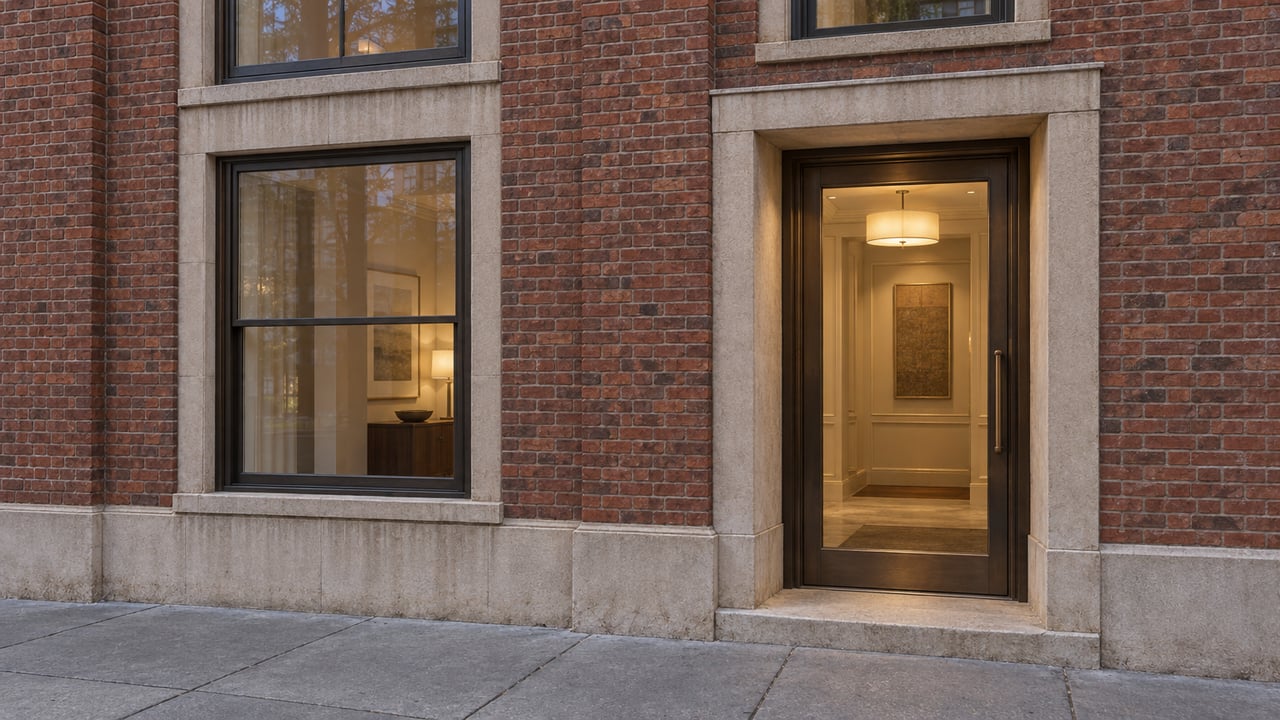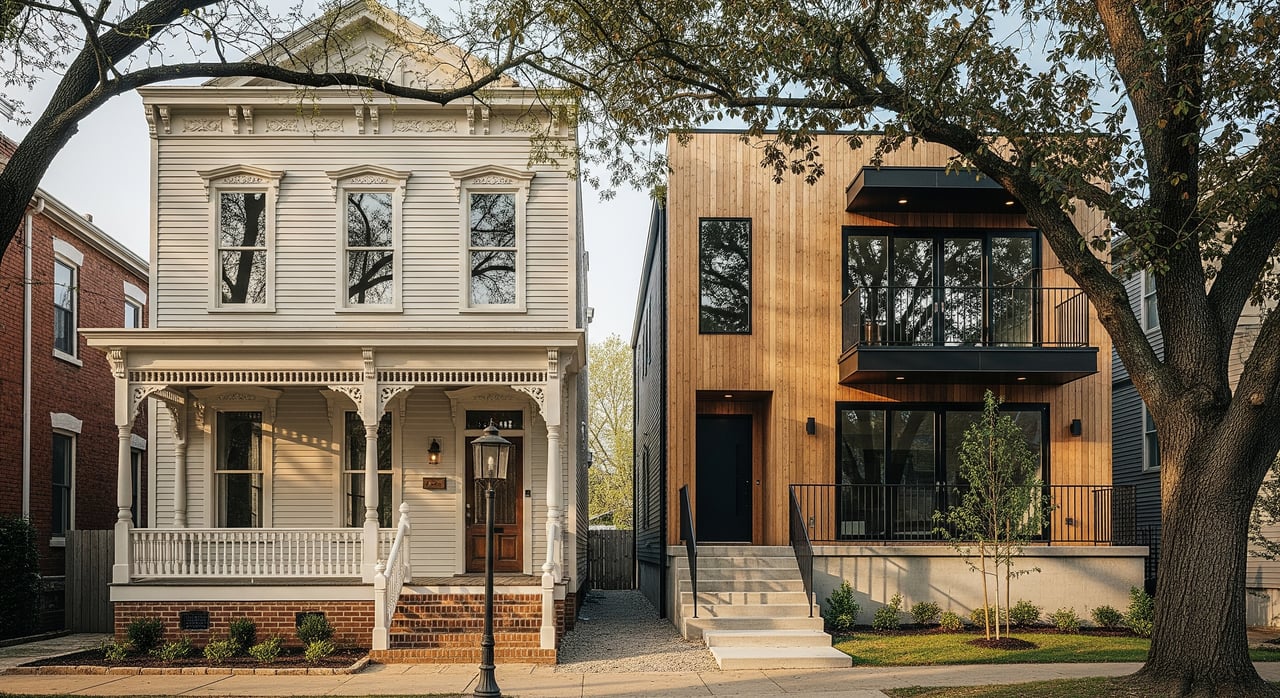
Choosing between a new build and a historic home in East Nashville can feel like two different visions of the same dream. You might love the charm of original woodwork and tree‑lined streets, but also want efficient systems and a smooth move‑in. You will learn the due diligence that matters most here, how ownership costs and timelines differ, and a simple framework to match your priorities to the right property. Let’s dive in.
East Nashville at a glance
Historic fabric and new infill
East Nashville blends early 1900s to mid‑century bungalows, cottages, and Victorians with modern infill and townhomes. Many lots started as detached single‑family properties and some have been subdivided, which shapes today’s mix. You often face a real choice: preserve character in an older house or select turnkey convenience in new construction. Both paths exist on the same blocks, so context and design quality vary street to street.
Rules that shape projects
Parts of East Nashville sit within local historic districts or overlays. In those areas, exterior changes and some demolition or new construction can require design review and a permit sequence beyond standard building approvals. If you plan additions, dormers, or exterior updates, confirm district status early and understand what approvals are needed. This can impact budget and schedule.
Flood and infrastructure checks
Localized street flooding can occur in low points and valleys. Before you buy, review flood mapping and discuss insurance implications with your carrier if the lot shows risk. Older sewer and storm systems are common in this part of Davidson County, and many homes connect via older laterals. A sewer‑scope inspection is a smart step here to catch collapse or root intrusion before it becomes an emergency.
What to inspect before you buy
Baseline inspections for all homes
- General home inspection covering structure, roof, HVAC, plumbing, electrical, and major systems.
- Termite and wood‑destroying insect inspection, especially for wood‑framed houses with crawlspaces.
- Sewer lateral video scope, given the age of local pipes and potential for blockage.
- Radon test when a basement or crawlspace is present or regional potential indicates risk.
- Mold or moisture assessment if you notice staining, odors, or water intrusion signs.
Extra steps for historic homes
- Structural engineer review if you see sagging floors, failing support piers, or settlement.
- Electrical audit to identify knob‑and‑tube or ungrounded wiring that may affect safety or insurance.
- Plumbing evaluation for galvanized or cast‑iron drains and any lead components.
- Chimney and flue inspection for liner safety and masonry condition.
- Hazardous materials survey when planning renovations, since older finishes can include lead‑based paint or asbestos.
- Historic‑specific review with the local preservation office before planning exterior work that may require a formal approval.
Extra steps for new construction
- Permit and code verification to confirm final inspections and closeout.
- Review of builder disclosures, warranties, and punch‑list items before closing.
- Energy and insulation verification, such as blower‑door testing or insulation documentation, if efficiency is a priority.
Timing your contingencies
Inspection windows are often 7 to 14 days in many contracts. Historic homes may require a longer scheduling runway for specialty inspections and follow‑up quotes. Build in time for a sewer scope and, when needed, a structural engineer. If issues surface, negotiate for repairs, credits, or time to evaluate solutions.
Maintenance and renovation realities
Common replacement timelines
Roofs older than 20 years may be due for replacement, so plan ahead if the roof is near end‑of‑life. HVAC systems in older homes are often undersized or nearing replacement age and ductwork may need reconfiguration. Rewiring to modern 200‑amp service, grounded outlets, and safer panels can range from several thousand to tens of thousands depending on access and scope. Plumbing updates from galvanized or cast‑iron to modern materials often require opening walls and floors, which adds labor and finish costs.
Renovation variables in historic homes
Older homes carry more discovery risk. Hidden rot, past DIY fixes, or non‑permitted additions can change the plan and the budget. Work in historic districts may require specific materials or design patterns, which can elevate cost and stretch timelines. Preservation decisions, like restoring original windows versus replacement, should weigh comfort, long‑term maintenance, and any local incentive rules.
New construction advantages and site caveats
New builds typically deliver modern electrical systems, efficient HVAC, and better insulation that reduce near‑term maintenance. Predictable warranties offer peace of mind on structure and systems during the early years. Infill sites can add complexity, though, with tight lot lines, grading, and stormwater controls that must meet current code. Verify drainage solutions and site work quality during due diligence.
Financing, insurance, and incentives
Some lenders require that homes meet basic safety and habitability standards, which can influence financing for properties with extensive deferred maintenance. If you plan substantial work, consider renovation loan products that support construction draws and contractor oversight. Insurance carriers may price higher or limit coverage for outdated wiring, older roofs, or other risk factors, so obtain quotes during the inspection period. Federal historic rehabilitation tax credits typically apply to income‑producing properties, not primary residences, and local incentives vary by program.
Lifestyle tradeoffs
Why choose a historic home
You value architectural character, mature landscaping, and established neighborhood fabric. You accept smaller or less open floor plans in exchange for craftsmanship and charm. You are comfortable budgeting for systems updates and potential surprises. You like proximity to local amenities and the feel of an older street grid.
Why choose new construction
You prefer open layouts, modern kitchens and baths, and predictable maintenance. You want efficient systems, larger closets, and often better storage and garage solutions. You like the clarity of warranties and current code standards. You are comfortable with the possibility of smaller yards in dense infill or a look that contrasts with older neighbors.
How long things take
- Move‑in ready historic resale: standard closing timeline, then weeks to months for minor upgrades.
- Historic fixer with renovation: plan 6 to 18 months for design, approvals, and construction depending on scope.
- Building new on a lot: allow 9 to 18 months for design, permitting, site work, and construction, with variability based on queue and complexity.
- Buying a completed or near‑complete new build: often a shorter path to move‑in, subject to punch‑list and permit closeout.
A simple decision framework
Ask yourself four questions to align the property with your goals:
- Timeline: Do you need immediate move‑in or can you wait through design and construction?
- Budget tolerance: Do you prefer predictable costs or can you hold a higher contingency for unknowns?
- Character vs. convenience: Do you want original details and mature lots, or modern layouts and systems?
- Regulatory complexity: Are you comfortable navigating preservation review, or do you prefer straightforward permitting and builder warranties?
If you need speed, dislike open‑ended projects, or have limited contingency, prioritize newer or recently renovated homes. If you value period detail and can manage longer timelines and approvals, a historic home can be rewarding.
Your on‑the‑ground checklist
Before you write an offer:
- Confirm the property’s historic district or overlay status and any design overlays.
- Order a general inspection plus a sewer scope and termite inspection.
- Obtain preliminary insurance quotes and ask about wiring, roof age, and mitigation requirements.
- Request records of prior permits and contractor invoices for major work.
If leaning historic:
- Budget a larger contingency and line up contractors experienced with historic renovations.
- Prioritize inspections of electrical, plumbing, roof, foundation, and chimney.
- Identify any exterior changes that could require a formal approval.
If leaning new construction:
- Verify permit closeout, certificate of occupancy, and detailed warranty terms.
- Review drainage, grading, and site work, especially on tight or previously graded lots.
- Request energy documentation if efficiency is part of your decision.
Red flags and negotiation levers
Common red flags in historic homes include ongoing water intrusion, major structural movement, active termite damage, knob‑and‑tube wiring in use, and unpermitted additions. In new builds, look for missing permit signoffs, incomplete punch‑list items, poor grading, or shortcuts in site prep. Use inspections to negotiate repairs, seller credits, or price adjustments. For larger unknowns, consider an escrow holdback or defined remedy timeline, and for new builds, require final permit closeout and warranty documentation in the contract.
The bottom line
Historic homes in East Nashville offer character and setting, with more variables in cost and time. New construction offers predictability, efficiency, and warranties, with tradeoffs in lot size and neighborhood fit. Match your timeline, budget tolerance, and appetite for project management to the property that fits your lifestyle best.
When you want a discreet, expert guide to compare options, schedule inspectors, and negotiate from a position of strength, connect with Stutts Miller Properties for a private consultation.
FAQs
What inspections are most important for East Nashville homes?
- Order a general inspection, termite inspection, and a sewer‑scope video. Add a structural engineer for older homes with movement and include a radon test if there is a basement or crawlspace.
How do historic districts affect renovations in East Nashville?
- If a home sits in a local historic district or overlay, exterior work like additions or dormers may require design review and permits, which can increase cost and extend timelines.
Are new builds in East Nashville lower maintenance?
- Yes, new construction typically offers modern systems, better insulation, and warranties, which reduce near‑term maintenance, though you should still verify drainage and permit closeout.
Can I use tax credits on a historic primary residence?
- Federal historic rehabilitation tax credits generally apply to income‑producing properties, not owner‑occupied homes. Check local programs to see if any homeowner incentives exist.
What timeline should I expect for a historic renovation?
- Cosmetic updates can take weeks to months, while larger system replacements or additions often run 6 to 18 months depending on scope, approvals, and contractor availability.