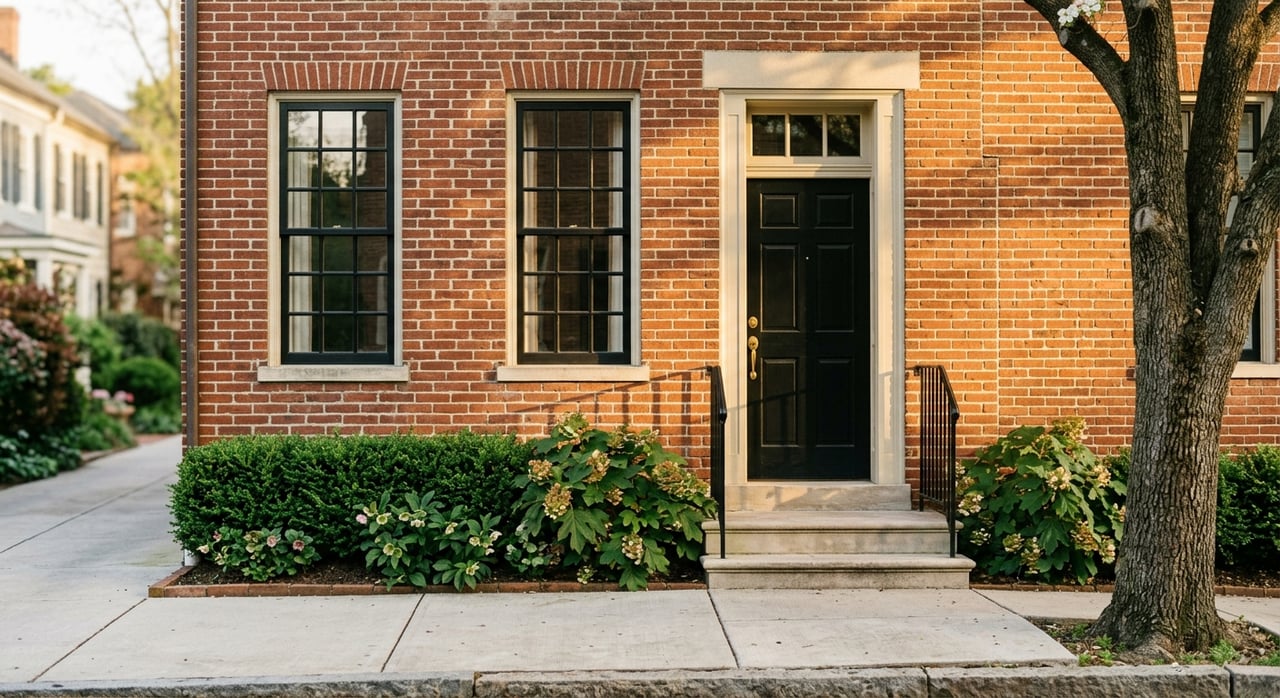
Wondering whether Franklin’s historic charm or its newer communities fit your life better? If you are relocating, moving across town, or planning your next long-term home, that choice can shape how you spend your mornings, run errands, host friends, and get around each week. In Franklin, the difference is not just about home age or architecture. It is about daily rhythm, convenience, privacy, and how connected you want to feel to the places around you. Let’s dive in.
Franklin Offers Three Distinct Lifestyles
Franklin supports three clear residential patterns: the historic core, newer master-planned communities, and estate-style settings with more land and privacy. Each one offers a different version of convenience, community, and pace.
If you are comparing options, it helps to think beyond the house itself. The bigger question is how you want your day-to-day routine to work, from coffee runs and dinner plans to parking, recreation, and commuting.
Historic Franklin Feels Walkable and Layered
Downtown Franklin centers on a 15-block historic district with brick sidewalks, Victorian architecture, renovated historic buildings, shops, restaurants, and galleries. The blocks around Public Square form the historic heart of town and create a setting where daily life feels tied to the street, not just the home.
That walkable rhythm is one of the biggest draws. If you enjoy stepping out for dinner, browsing local shops, or spending time in a setting with visible history, the historic core offers a different feel than a newer neighborhood.
Architecture Shapes the Experience
Franklin’s historic district guidelines note that the city has one of the largest and finest collections of historic architecture in Middle Tennessee, including multiple National Register districts and locally designated historic districts. In practical terms, that means nearby homes and streetscapes tend to reflect preservation-minded standards and a stronger sense of continuity.
For some buyers, that context is the appeal. For others, it means weighing whether an older setting and preservation-oriented surroundings align with their preferences.
Events Become Part of Everyday Life
Historic Franklin is not just visually distinctive. It is also event-driven. The city highlights annual events such as the Main Street Festival, Fourth of July celebrations, PumpkinFest, the Veterans Day Parade, and Dickens of a Christmas.
That can make the area feel lively and connected throughout the year. Historic parks like Harlinsdale Farm, Fort Granger, Eastern Flank, and Winstead Hill also add recreation and open space to the experience.
Parking Matters More Than You Think
If you picture a fully walk-everywhere lifestyle, parking is still part of the equation. The city says downtown parking is free, but on-street spaces are limited to two hours, and the two public garages each have 300 spaces.
That may be perfectly workable for many residents, but it is worth considering if you host often or want maximum flexibility for guests and errands. In Historic Franklin, charm and walkability often come with more structured parking patterns.
Newer Communities Feel Planned and Amenity-Rich
If Historic Franklin feels organic and layered over time, newer communities often feel coordinated from the start. Their streetscapes, amenities, and gathering areas are designed as part of a single plan rather than added over generations.
For many buyers, that creates an easier day-to-day routine. Recreation, social spaces, and even some errands may happen within the neighborhood itself.
Westhaven Centers on Internal Amenities
Westhaven is built around an amenity-first lifestyle. Community materials highlight a village center, resident club, golf club, pools, 9 miles of trails, 20 community parks, tennis and pickleball, and frequent social events.
That kind of setup can appeal if you want your neighborhood to do more of the work for you. Instead of driving across town for recreation or community programming, much of it is built into the neighborhood.
Berry Farms Blends Homes and Daily Needs
Berry Farms takes a mixed-use approach. The community sits at the I-65 and Peytonsville Road interchange, and the developer says neighborhoods are within a 5-minute walk of shops, restaurants, offices, parks, a pool and pool house, and bocce ball courts.
Its pedestrian system includes tree-lined streets, wide sidewalks, and a trail network. Berry Farms also emphasizes two neighborhood pools and public gathering areas, which supports a village-like feel rather than a traditional subdivision pattern.
Walkability Works Differently Here
In newer Franklin communities, walkability usually looks different from downtown. Instead of a historic main street with older buildings and civic events, you are more likely to find a planned network of sidewalks, trails, pools, parks, and neighborhood gathering spaces.
That difference matters. If you want predictability, coordinated amenities, and a more packaged daily experience, a master-planned community may feel like a stronger fit.
Estate Settings Prioritize Privacy and Space
At the other end of the spectrum, Franklin also offers estate-style communities that trade some convenience for privacy, acreage, and separation. In these settings, the home and land often become a much bigger part of everyday life.
That can be a strong match if you value quiet routines, outdoor living, and space to host. It can also appeal if discretion and privacy are top priorities.
Acreage Changes Daily Living
Vista Creek is a gated Franklin community with 19 estate and farmstead homesites ranging from 5 to 11 acres. Its materials describe a setting that is convenient to Leiper’s Fork and historic Franklin, yet feels separate once you pass the entrance.
Laguna Franklin describes itself as an intimate estate community with five estate homesites and all-brick luxury homes in the Franklin countryside. Blackberry Ridge is described as serene, private, and spacious, with rolling-hill scenery and a short-drive connection to Franklin and Nashville.
Privacy Comes With Tradeoffs
The practical tradeoff is straightforward. In estate settings, you often gain more land, more privacy, and greater flexibility for outdoor living, but you are usually farther from walking-oriented retail and daily services.
If you love spontaneous coffee runs, quick errands on foot, or frequent street activity, this may feel less aligned. If you prefer hosting at home, spreading out, and keeping a lower profile, it may feel exactly right.
Commute and Errands Often Decide It
For many buyers, the biggest separator is not style. It is how you move through your week. Franklin Transit offers fixed-route service, Transit On Demand curb-to-curb service six days a week, a regional rideshare option, and WeGo express coach service to Nashville.
At the same time, the city’s transportation and capital project information shows driving pressure around East McEwen, Cool Springs Boulevard, Mallory Lane, Liberty Pike, Carothers Parkway, Franklin Road, and the Goose Creek and I-65 corridor. Franklin also identifies Cool Springs as a business, dining, and shopping hub.
Your Routine Should Drive the Choice
If your week centers on downtown dining, festivals, and historic parks, the historic core may feel natural. If you want neighborhood pools, trails, and gathering spaces close to home, a master-planned community may fit better.
If your priorities are land, quiet, and privacy, an estate setting often makes more sense. The right answer usually comes down to whether your routine points toward Main Street, a planned amenity network, or a more private home-centered lifestyle.
Franklin Is Improving Connectivity
Franklin continues to invest in pedestrian connectivity through sidewalks, multi-use paths, ADA upgrades, the Franklin Road streetscape connection between Downtown and The Factory, and the New Highway 96 West trail. That means walkability is expanding in parts of the city, even outside the historic core.
Still, each part of Franklin creates walkability in its own way. Downtown offers a traditional street-based pattern, while newer communities often create internal connections through trails, sidewalks, and neighborhood amenities.
How to Choose the Right Fit
When you compare Historic Franklin with newer communities, it helps to focus on a few practical questions:
- Do you want to walk to restaurants, events, and shops, or would you rather have amenities inside your neighborhood?
- Is privacy and land more important than daily convenience on foot?
- How important is guest parking and easy access during busy event weekends?
- Do you prefer a preservation-oriented setting or a newer, more coordinated neighborhood plan?
- Will your weekly routine center on downtown Franklin, Cool Springs, or Nashville?
The answers often make the decision clearer. Franklin offers range, but each lifestyle comes with a different pace, level of foot traffic, and relationship to the surrounding area.
Whether you are seeking a historic home near the center of town, a newer community with built-in amenities, or a private estate setting with room to breathe, the key is matching the property to the way you actually want to live. For a tailored, discreet conversation about Franklin and the surrounding market, Stutts Miller Properties can help you evaluate the options with clarity and confidence.
FAQs
What is daily life like in Historic Franklin?
- Daily life in Historic Franklin is shaped by walkable streets, older architecture, shops, restaurants, galleries, seasonal events, and nearby historic parks.
What is the lifestyle difference in Franklin master-planned communities?
- Franklin master-planned communities often focus on internal amenities like pools, trails, parks, clubs, and gathering spaces, with a more coordinated neighborhood design.
What do Franklin estate communities usually offer?
- Franklin estate communities usually offer more privacy, larger homesites, gated or secluded settings, and more room for outdoor living, but they are typically less walkable to retail and services.
Is parking a factor when living near downtown Franklin?
- Yes. Downtown Franklin offers free parking, but on-street parking is limited to two hours, and public garage capacity is finite, which can affect routines and guest visits.
How should relocating buyers compare Franklin neighborhoods?
- Relocating buyers should compare neighborhoods based on daily routine, commute patterns, desired privacy, amenity preferences, and whether they want a historic, planned, or estate-style setting.