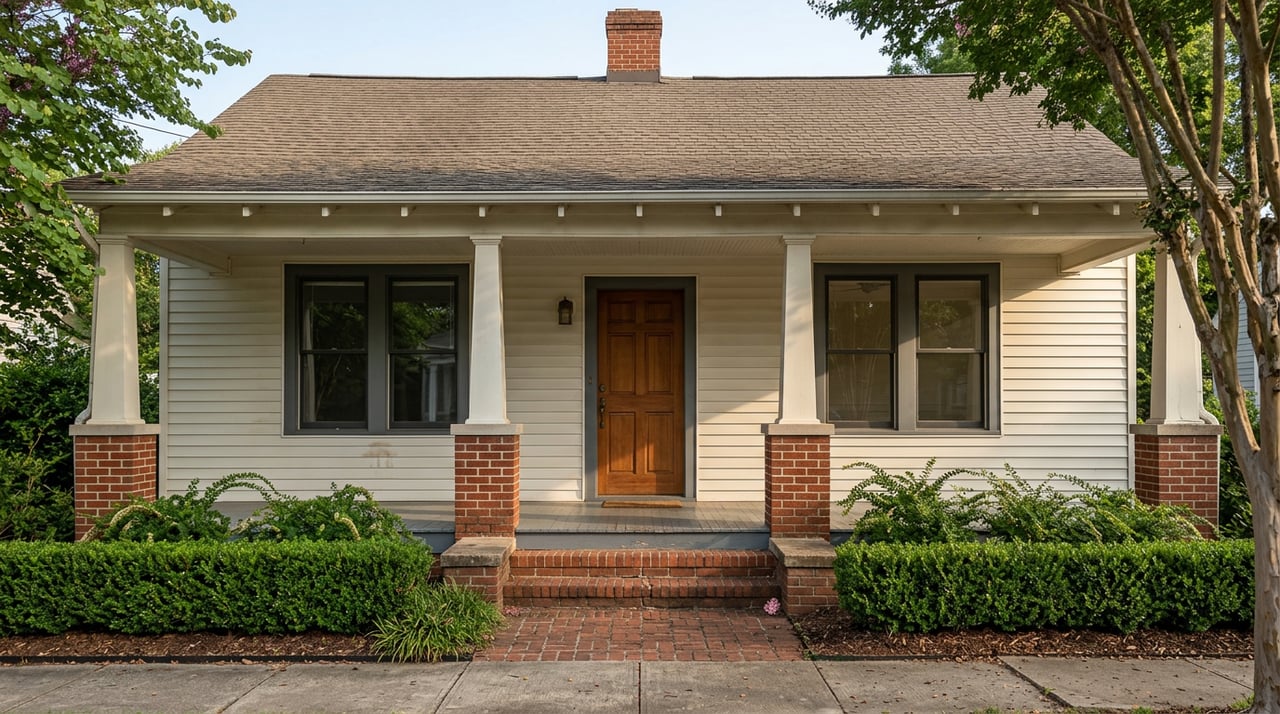
According to the Nashville Banner, on the morning of February 16, 2026, a hundred-year-old building on Calvin Avenue in Lockeland Springs was still standing. By that evening it was gone. A neighbor named Bucky Bradshaw came home to find the lot cleared and later told NewsChannel 5 the first thing he did was "scream the house is gone."
The building had been the longtime home of The Groove, a record store and neighborhood gathering spot that had closed less than two months earlier after nearly 20 years in business. It sat inside the Lockeland Springs-East End Neighborhood Conservation Overlay, a designation that requires approval from the Metro Historic Zoning Commission before a demolition of this kind can happen. The report also noted that no demolition permit was pulled and no preservation permit was issued. The owner, Ross Condit, later told the commission he had been unaware the property sat in a historic overlay at all.
The commission didn't buy it. In March, it denied his request for retroactive approval and ordered him to rebuild the structure to match the original, at his own expense, within 180 days, with construction to begin within a year.
That sequence is the part every buyer and seller of an older East Nashville home should sit with. The fine for demolishing a protected building without a permit in Tennessee tops out at $50, a cap that has stood in the state constitution since the 18th century. Public commenters at the March hearing raised exactly this point, frustrated that Metro's enforcement teeth are so dull. But the fine was never the mechanism doing the work here. The rebuild order was. Reconstructing a demolished 1921 structure to match its original form, at full cost, is not a $50 problem. It's a project that can run well past what compliance would have cost from the start.
The Certificate You Need Before You Touch the Exterior
Every property inside a historic or conservation overlay in East Nashville needs a Certificate of Appropriateness before certain exterior work begins. Per Metro's own Historic Zoning Handbook, that covers windows, siding, fences, porches, additions, and in some cases even paint applied to masonry, as long as the change is visible from a public right of way. The preservation permit has to be issued before a building permit will be.
Most routine work moves faster than people expect. Projects that fall into pre-approved categories can receive an administrative permit within just a few business days of a complete application. Anything outside that pre-approved list waits for the full commission, which meets at 2:00 p.m. on the third Wednesday of each month.
The mistake in the Calvin Avenue case wasn't a slow bureaucracy. It was skipping the process entirely. A standard demolition permit application, which the property's contractor never filed, would have flagged the historic protections before a single wall came down.
Not Every Old House on the Block Plays by the Same Rules
East Nashville's overlay map is not uniform, and that matters more than most listings let on.
| District | Overlay type |
|---|---|
| Edgefield | Historic Preservation (established 1978, Nashville's first historic zoning district) |
| Woodland-in-Waverly | Historic Preservation |
| Lockeland Springs-East End | Neighborhood Conservation |
| Eastwood | Neighborhood Conservation |
Both require a Certificate of Appropriateness. Neither is optional. Two houses a few blocks apart can answer to different versions of it.
What This Means Before You Write an Offer
If you're touring an older home in Lockeland Springs, Edgefield, Eastwood, or Woodland-in-Waverly and picturing a renovation, a few questions belong in your due diligence before the questions belong in a contract addendum.
- Confirm the overlay status and type through Metro's Parcel Viewer rather than relying on listing remarks, since overlay boundaries don't always match how an area is marketed.
- Ask whether the property has any open or past preservation permit issues. A contributing structure with unresolved history can slow or complicate a purchase.
- If your plans involve anything visible from the street, price in the Certificate of Appropriateness timeline before you commit to a renovation budget or a contractor's start date.
- Understand whether the house is considered a contributing structure to its district. That status shapes how much design flexibility you'll actually have.
None of this shows up in square footage or a listing photo. It shows up the first time you pull a permit.
"If you let this outrageous disregard go unpunished, every future owner will know they can also do the same without accountability. Your guidelines will mean literally nothing."
That was resident Melanee Bandy, writing to the commission ahead of the March hearing, as reported by the Nashville Banner. Her point wasn't really about the Calvin Avenue lot. It was about every other homeowner in the district who spent money and time going through the Certificate of Appropriateness process the right way, and what it means for that process if skipping it carries no real consequence.
What Sellers Should Get Ahead Of
If you own a contributing structure in one of these districts and you've made exterior changes over the years, it's worth knowing whether those changes went through the certificate process before you list. An open or undocumented violation is the kind of thing a buyer's inspection period, or a buyer's own research, tends to surface. Getting ahead of that conversation, rather than having it mid-contract, keeps a transaction on schedule.
If You Want New Construction Instead
Some buyers look at all of this and decide they'd rather skip overlay review altogether by choosing new construction. East Nashville has plenty of it, particularly the tall, narrow infill homes built under Tennessee's Horizontal Property Regime structure. These homes have become common near Eastland Avenue, Gallatin Avenue, and Five Points.
That path trades one set of frictions for another. As Collins Legal explains, HPR properties often carry both an individual homeowner's policy and a master policy for shared elements, and some lenders treat them differently than a traditional single-family purchase. It's a different diligence checklist, not an easier one.
FAQ
What makes a building a "contributing structure" to a historic district? Contributing status is determined by a building's historic integrity, its age relative to the district's period of significance, and the history of the district itself. It's assessed when the overlay is first adopted and can be revisited later as new information comes to light, according to Metro's own design guideline documents.
Does resolving a violation cost more than doing it right the first time? In the Calvin Avenue case, yes, by a wide margin. The Metro Historic Zoning Commission ordered a full reconstruction to match the original structure, at the owner's expense, on top of whatever the demolition itself cost. Going through the Certificate of Appropriateness process up front, even with its added timeline, is the cheaper path in almost every case.
Buying or renovating an older East Nashville home should not feel like a guessing game
Overlay status, contributing designation, and permit history are all findable before you write an offer, and they should shape your plans before you fall in love with a kitchen. If you're weighing a purchase or a sale in Lockeland Springs, Edgefield, Eastwood, or anywhere else in East Nashville's historic footprint, Stutts Miller Properties can walk the overlay questions with you before they become contract questions. Request a private consultation to start.
This article is general information, not legal, tax or financial advice. Consult a qualified professional about your situation.