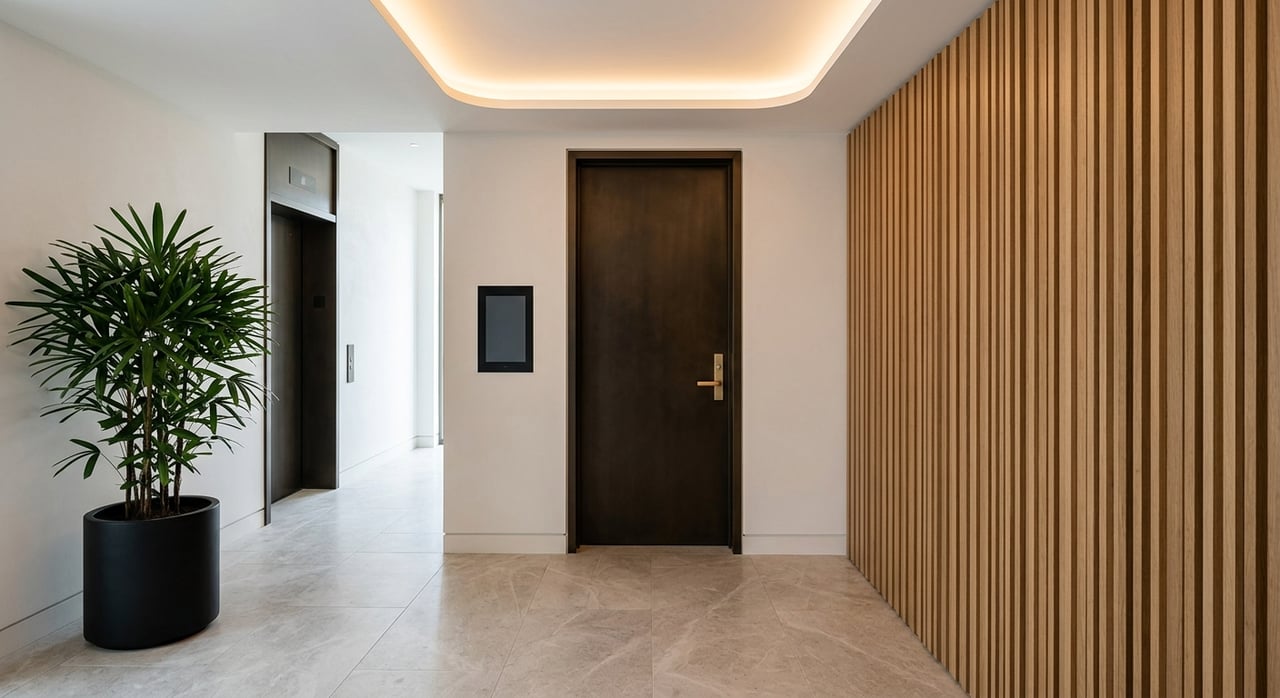
If privacy matters in your next move, Downtown Nashville can present a unique challenge. This is a fast-moving urban core with constant foot traffic, active development, and a housing mix that often puts your search or sale in closer view than you may want. The good news is that you can take meaningful steps to limit exposure, protect your timeline, and keep communications tight. Let’s dive in.
Why discretion matters downtown
Downtown Nashville is not a typical neighborhood market. According to the Nashville Downtown Partnership, downtown attracts 17 million visitors, supports more than 85,000 employees, and has more than 600 bars, restaurants, and retailers. The Partnership has also reported a downtown population that grew from 22,000 residents in its 2025 residential report to about 23,000 in an April 2026 update.
That activity affects how private a transaction can feel. In a dense urban setting with steady building traffic, concierge desks, shared elevators, parking garages, and ongoing construction, more people may see pieces of the process. If you are buying or selling in the core, discretion usually depends less on secrecy and more on disciplined planning.
What privacy can and cannot do
A discreet transaction can reduce pre-closing exposure, but it cannot erase the public record. The Davidson County Register of Deeds maintains deeds, deeds of trust, liens, plats, powers of attorney, and other property records, and online records are available with indexing back to July 1, 1964 and images back to 1784.
That means tools like private showings, non-disclosure agreements, and restricted communication lists can help control who knows what during the process. They do not override recording requirements or public-record access once documents are filed. For buyers and sellers who value confidentiality, that distinction is important from day one.
Downtown housing shapes the strategy
Downtown Nashville’s housing stock also changes how privacy works. The 2025 Downtown Residential Report describes the area as 75% rental and 25% condo, with 93% rental occupancy and an average unit size of 800 square feet. The same report notes that 2,975 units were under construction, 10,193 units were planned, and 15 development projects were actively under construction.
In practical terms, many transactions are building-specific. Access points, elevators, parking, and front-desk coordination all matter. In a condo environment, even a routine showing can create more visibility than a private drive-up appointment at a detached home.
Discreet buying starts with qualification
If you are buying in Downtown Nashville, the first privacy step is usually qualification before details are widely shared. That often means proof of funds or lender pre-approval, secure communication channels, and a short list of people who can access property information.
This approach is not a statutory requirement. It is simply a smart process in a market where the public-record trail is strong and building logistics can quickly widen exposure. For a high-profile buyer, narrowing the circle early can help protect both your time and your privacy.
Keep the showing team small
Tennessee is clear about who can participate in certain parts of a transaction. The state notes that a real estate license is required to show properties, discuss or explain listings and offers, and negotiate terms. If discretion is a priority, it makes sense to keep the showing and communication chain intentionally narrow and professionally managed.
That can be especially helpful in downtown towers and mixed-use buildings. A tighter team can reduce unnecessary handoffs, limit building chatter, and make arrival and departure logistics easier to manage.
Plan building logistics in advance
In Downtown Nashville, privacy often comes down to operational details. You may want to think through parking access, elevator timing, concierge coordination, and how widely the unit number or floor plan is shared.
Those details can sound small, but they shape the real experience of a discreet purchase. In a dense urban core, thoughtful planning often matters more than broad visibility.
Discreet selling requires controlled release
If you are selling, privacy usually comes from how and when information is released. A measured approach may include pre-screening buyers, keeping the address private until qualification is confirmed, limiting photography, avoiding unnecessary geotagging, and controlling which vendors have access to the property.
This is where process discipline matters. Cleaners, stagers, photographers, inspectors, and other vendors may all need access, but not everyone needs the same level of information. A tightly managed vendor list can help reduce casual exposure before a listing reaches the market.
Coming Soon is not truly off-market
One common misunderstanding involves listing status. According to RealTracs’ listing status definitions, Coming Soon/Hold is still an on-market status, may syndicate externally, and can appear on hot sheets, even though showings are prohibited while that status is active.
That means Coming Soon is best understood as a controlled pre-launch tool, not a private-only listing. A seller may choose not to syndicate externally, but the property still exists within the MLS ecosystem. If your goal is discretion, that distinction matters.
Disclosures still apply
Privacy-focused marketing does not remove disclosure obligations. Tennessee says that most sellers of residential real estate must complete a disclosure statement, and the state also notes that a home inspection is not required by law before a sale or purchase.
For sellers, that creates a practical takeaway. If you want a quiet, efficient sale, it helps to understand property condition early so issues do not surface late and create a more public renegotiation or closing delay.
Buyers should still consider inspections
Even in a confidential transaction, due diligence still matters. Tennessee does not require an inspection before purchase, but the state has also emphasized the importance of understanding the home inspector’s role before buying or selling.
For buyers who want a discreet process, inspections can often support privacy rather than work against it. Identifying issues through a controlled inspection period may help you resolve concerns without broad exposure or unnecessary back-and-forth.
A balanced market rewards discipline
The broader regional market also supports a more measured approach. In March 2026, Greater Nashville REALTORS® reported 13,694 active listings, six months of available inventory, and a condominium median price of $349,990 across the nine-county region.
That is not a downtown-only figure, but it helps frame the environment. In a more balanced market, a clean launch, careful buyer screening, and disciplined negotiations can matter even more than they did in a faster, tighter cycle.
What a discreet process really looks like
For most people, discretion is not about hiding a sale forever. It is about reducing unnecessary attention, limiting access to sensitive details, and keeping the transaction organized from start to finish.
In Downtown Nashville, that usually means a few core principles:
- Qualify buyers before broad access is given
- Keep communications centralized and secure
- Limit showing and vendor access to essential parties
- Use listing statuses with a clear understanding of what they do and do not do
- Prepare for disclosures and inspections early
- Expect public records to exist once documents are recorded
If that level of coordination matters to you, working with a team that understands both privacy and process can make a meaningful difference. If you are planning a confidential move in the urban core, Stutts Miller Properties offers private consultation and white-glove guidance built for discreet buyers, sellers, and relocating executives.
FAQs
What can stay private in a Downtown Nashville transaction?
- Pre-listing marketing, showing schedules, vendor access, internal feedback, negotiation details, and sometimes the exact address can often be tightly controlled before closing.
What cannot be fully hidden in a Davidson County real estate sale?
- Recorded deeds, liens, and related ownership documents become part of the public record through Davidson County’s recording system.
Is Coming Soon the same as off-market in Downtown Nashville?
- No. RealTracs defines
Coming Soon/Holdas an on-market status that may syndicate externally, even though showings are not allowed during that period.
Do buyers need inspections for Downtown Nashville condos?
- Inspections are not required by Tennessee law, but buyers can still choose them and often benefit from them as part of private due diligence.
Why does Downtown Nashville require extra discretion?
- The area’s density, visitor volume, employee base, condo-heavy housing mix, and active development pipeline can create more opportunities for casual exposure than quieter residential areas.