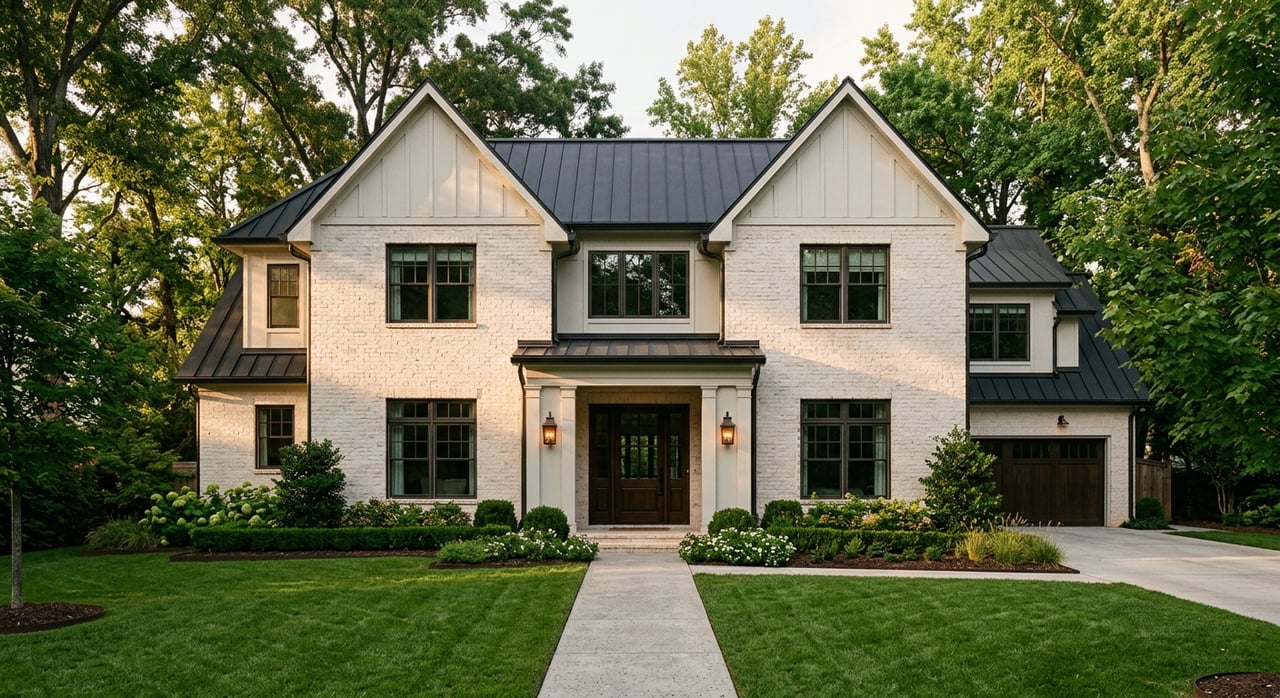
Choosing between West Nashville and East Nashville is not just about picking a side of town. It is about deciding how you want your days to feel, how you want to move through the city, and what kind of home setting supports your routine. If you are weighing both areas, this guide will help you compare space, housing style, mobility, daily logistics, and market positioning so you can focus on the fit that feels right for you. Let’s dive in.
West Nashville vs East Nashville at a glance
West Nashville and East Nashville both offer strong appeal, but they solve different lifestyle needs.
West Nashville generally leans toward a more suburban and residential rhythm. Public planning materials describe a mix of suburban neighborhoods, urban neighborhoods along Charlotte Pike, and industrial areas in Cockrill Bend, while tourism materials highlight green spaces, elegant estates, and a scenic, historic feel.
East Nashville generally feels more urban and compact. Metro planning documents describe walkable neighborhoods with a gridded street pattern, short blocks, and housing types that range from single-family homes to apartments, with many historic homes dating back to the early 1900s.
If you want the simplest summary, West Nashville often fits buyers who want more space and a quieter setting. East Nashville often fits buyers who want older character, closer-in neighborhood patterns, and a more active, mixed-use environment.
Housing style and neighborhood feel
West Nashville offers more breathing room
West Nashville is not one-note. Metro planning materials point to suburban neighborhoods, urban stretches along Charlotte Pike, and a broader mix of land uses across the area.
In practical terms, that often means more spacing between homes, more suburban lot patterns, and a residential setting that can feel calmer day to day. If you are relocating and want a home base that feels more settled and less compressed, West Nashville may feel more intuitive.
Visit Nashville also describes West Nashville as scenic and refined, with green space and elegant estates. That does not mean every home is large or every street feels the same, but it does support the broader pattern of a more spacious residential experience.
East Nashville brings older character and urban texture
East Nashville tends to attract buyers who like neighborhood texture and a more compact layout. Metro staff describe it as denser and more walkable, with short blocks, a connected street grid, and a mix of housing choices.
That urban fabric can create a very different daily experience. Homes may sit closer together, streets can feel more connected, and the surrounding context often includes a stronger blend of residential and commercial activity.
If you are drawn to historic homes, infill development, and a neighborhood pattern that feels more active, East Nashville may align more closely with your goals. Its housing stock and layout often appeal to buyers who value character over square footage alone.
Getting around each area
West Nashville is often car-centered
For many residents, West Nashville routines are built around driving. Metro notes that Charlotte Avenue is one of the city’s most-used corridors, and Charlotte Pike has long served as a regional route for commuters heading downtown.
That established corridor access can be convenient if you are comfortable with a driving-first lifestyle. The tradeoff is congestion. Metro has said Charlotte Avenue has some of Nashville’s slowest average travel times, which is important to factor into your morning and evening routine.
There is also public investment underway, including a West End Avenue curbside bus lane pilot and corridor work tied to Charlotte Avenue. Over time, those projects may improve mobility options, but today West Nashville is still best understood as a place where driving often remains the default.
East Nashville emphasizes multimodal movement
East Nashville’s transportation planning is more explicitly multimodal. Nashville Department of Transportation projects include bikeway improvements that connect residential areas to commercial destinations such as Five Points and Shelby Bottoms Park, while also improving connections across the river into Downtown.
The East Nashville Spokes project is improving several routes, and Gallatin Pike and Main Street are being designed through a Complete Streets approach on an All-Access Corridor. For buyers who want walkability, bike access, and transit-focused investment, that matters.
This does not mean every block in East Nashville is equally easy to navigate without a car. It does mean the public planning direction is more clearly centered on multiple ways to get around.
Daily routine and practical logistics
School zones depend on the address
If school access is part of your decision, avoid broad assumptions based on West versus East alone. Metro Nashville Public Schools says students are assigned to a zoned school by residential address, and the official Zone Finder is the correct way to confirm assignments.
That makes address-level review essential. Two homes that seem close together can have different school assignments, pathway information, or daily driving patterns.
A smart approach is to verify the exact zone first, then compare how the school run fits with work, activities, and your preferred commute. That method is more reliable than trying to judge school fit by area reputation or general side-of-town comparisons.
Street layout can shape your day
East Nashville’s compact grid, sidewalks, bikeways, and neighborhood centers can make some routines easier in certain locations. Depending on the block, you may find that errands, dining, and recreation feel more connected.
West Nashville’s planning language points to more suburban neighborhoods with moderate setbacks and more spacing. In many parts of West Nashville, that means driving plays a larger role in day-to-day logistics.
Neither setup is better across the board. The better choice depends on whether you want a routine shaped more by proximity and connectivity or by space and a quieter residential pattern.
Dining, nightlife, and social pace
East Nashville has the denser social scene
East Nashville is widely recognized for a concentrated dining and nightlife environment. Visit Nashville describes it as a home for innovative restaurants, dive bars, creative cocktails, live music, art, and vintage shopping.
It also describes the area as having an artsy vibe and relaxed energy. If your ideal week includes walking or taking a short drive to restaurants, bars, patios, and neighborhood gathering spots, East Nashville often delivers that experience more directly.
This kind of density can be a major plus for buyers who want their neighborhood to feel active and socially connected. It often supports a lifestyle where going out is built into the rhythm of the week.
West Nashville balances residential calm and local amenities
West Nashville offers dining and shopping too, but the overall feel is typically more residential. Visit Nashville describes the area as scenic, refined, and inviting, with a thriving culinary and shopping scene alongside green space and estate-style surroundings.
Sylvan Park, for example, is described as a largely residential area with locally owned restaurants, bars, and shops. That combination can be appealing if you want access to neighborhood amenities without feeling immersed in a denser entertainment district.
If your priority is a calmer home base with lifestyle options nearby, West Nashville may strike the better balance. It often suits buyers who want convenience without the same level of constant social energy.
Price point and value considerations
West Nashville currently trades at a premium
According to Redfin’s March 2026 market snapshots, the median sale price in West Nashville was $675,000, compared with $560,000 in East Nashville. Both markets were described as somewhat competitive.
That price gap suggests West Nashville currently commands a premium. For some buyers, that premium may feel justified by lot patterns, residential feel, green space, or preferred housing style.
For others, East Nashville’s lower median sale price may create a more accessible entry point. The right lens is not just which side costs less, but which side gives you the lifestyle and home characteristics you value most.
Public investment supports both areas
Both sides of town have public investment underway. East Nashville has active projects tied to Gallatin Pike and Main Street, Dickerson Pike, and the East Nashville Spokes network.
West Nashville has corridor investment connected to Charlotte Avenue and a West End bus-lane pilot in development. Those projects may support long-term desirability, but no buyer should treat public investment as a guarantee of appreciation.
A more measured approach is to view these projects as one part of the overall picture. Lifestyle fit, budget, property condition, and exact location still matter most.
Which lifestyle does each area fit?
West Nashville may fit you if you want:
- More space and more suburban lot patterns
- A quieter residential setting
- Access to green space and a scenic feel
- A routine that works well with driving
- A home environment that feels more removed from dense activity
East Nashville may fit you if you want:
- Historic character and older homes
- A denser neighborhood pattern
- Stronger walkability in many areas
- Closer access to restaurants, bars, and local gathering spots
- A lifestyle shaped by biking, sidewalks, and multimodal improvements
How to make the right decision
The best choice usually comes down to how you live Monday through Friday, not just how a neighborhood feels on a Saturday afternoon. Think about your commute, your preferred home style, how often you go out, how much space you want, and whether you prefer to drive almost everywhere or have more options.
If you are relocating, this comparison becomes even more important. A neighborhood that looks appealing online can feel very different once you test the commute, school route, and everyday timing.
That is where a tailored, address-level strategy matters. Instead of choosing between broad labels, you can compare specific homes and blocks against the routine you actually want to build.
If you are considering West Nashville or East Nashville and want a measured, private approach to the search, Stutts Miller Properties can help you evaluate the tradeoffs, narrow the field, and move with confidence.
FAQs
What is the main lifestyle difference between West Nashville and East Nashville?
- West Nashville generally offers more space and a quieter residential feel, while East Nashville generally offers a denser, more walkable setting with older housing character and a more active social scene.
Which area is more walkable, West Nashville or East Nashville?
- East Nashville is generally the more walkable option based on Metro planning language, its connected street grid, and current bikeway and Complete Streets investments.
Which area is better for driving commutes in Nashville?
- West Nashville is more oriented around established driving corridors such as Charlotte Avenue and Charlotte Pike, though Metro notes those corridors can experience slow travel times.
Are home prices higher in West Nashville or East Nashville?
- Based on Redfin’s March 2026 market snapshots, West Nashville had a higher median sale price at $675,000 compared with $560,000 in East Nashville.
How do you check school zones in West Nashville or East Nashville?
- Metro Nashville Public Schools says school assignments are based on residential address, so you should confirm the exact zoning with the official MNPS Zone Finder for any property you are considering.
Is East Nashville or West Nashville better for relocation buyers?
- The better fit depends on your routine, housing preferences, commute needs, and budget, so the most effective approach is to compare specific addresses and daily logistics rather than rely on broad area labels alone.